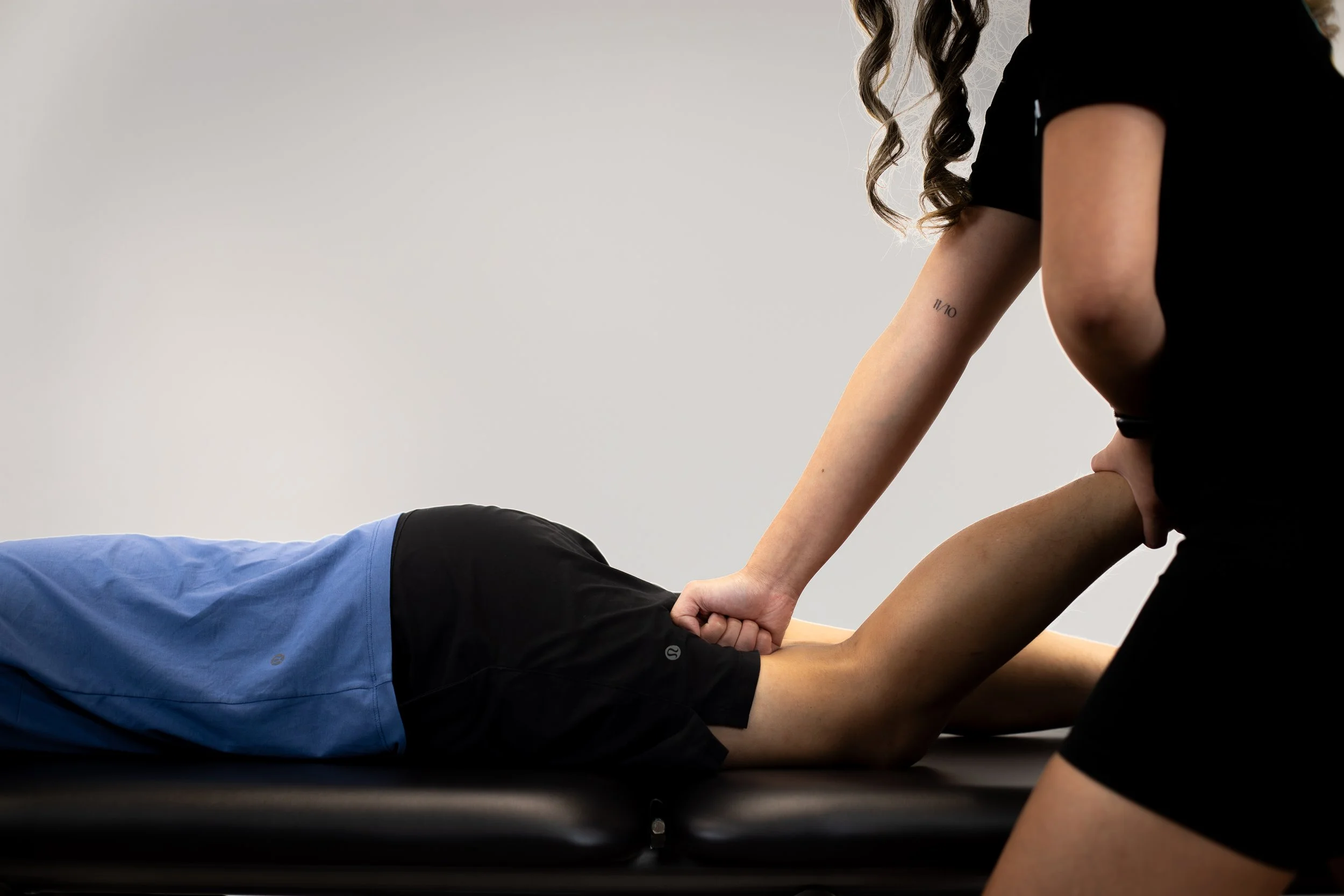
Vestibular & Concussion Therapy in Burnaby
Dizziness, vertigo, imbalance, and lingering symptoms after a head injury all trace back to how your inner ear, eyes, and brain work together. At Polygon Health Burnaby, our physiotherapists assess that system directly and build a structured program to retrain it. We direct bill ICBC, WorkSafeBC, and most extended health plans.
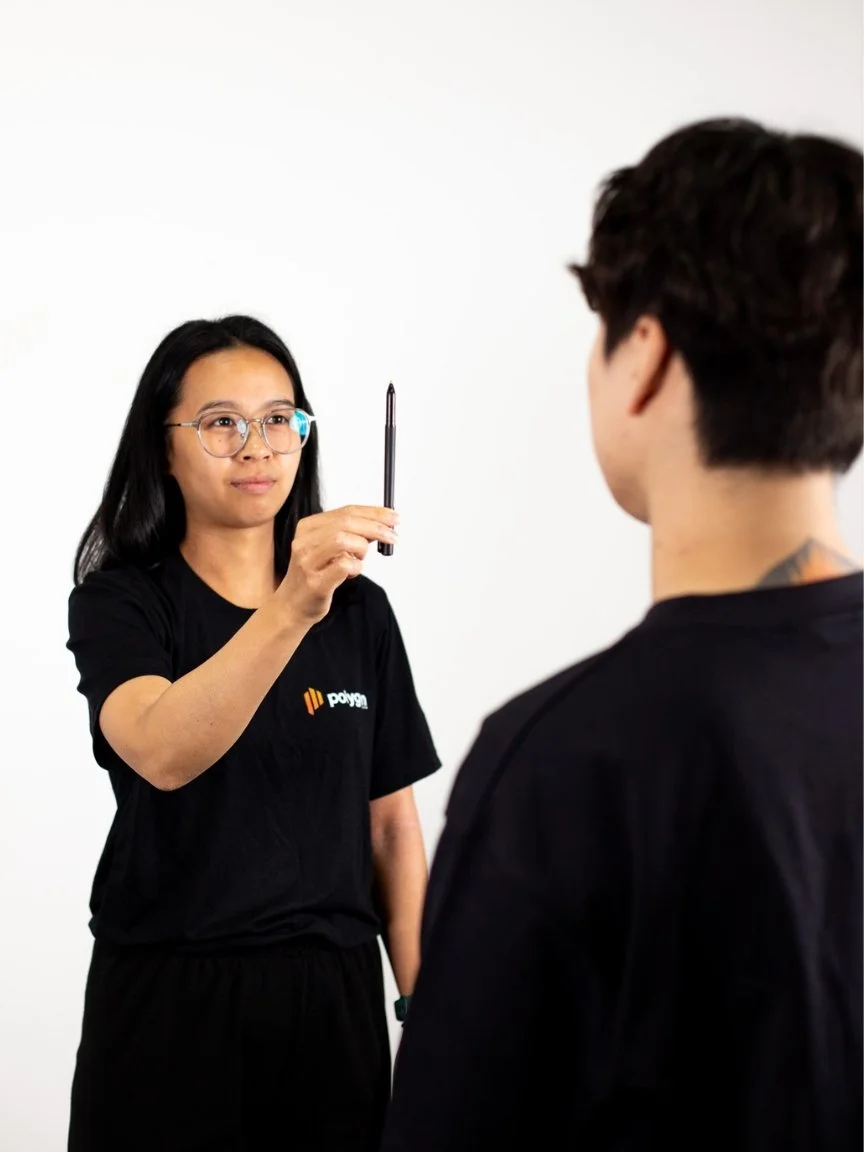
Restore your balance and recover with Vestibular & Concussion Therapy
-
Your care is delivered by physiotherapists registered with the College of Health and Care Professionals of BC with specific training in vestibular rehabilitation and concussion management.
-
Dizziness has many causes and they are treated differently. Your physiotherapist works through a structured assessment of your inner ear, eye movement, neck, and balance to identify what is actually driving your symptoms before any treatment begins.
-
Your physiotherapist builds yours around what the assessment found, how much you can currently tolerate, and what you need to get back to. Exercises are prescribed at a level that challenges the system without flattening you for the rest of the day, and adjusted each visit as that tolerance changes.
-
Your physiotherapist explains what they found, why your symptoms are happening, and what to expect as you progress. Knowing the mechanism makes the day to day decisions between visits much easier.
What you can expect

Our Burnaby Vestibular & Concussion Team
FAQs
-
Vestibular rehabilitation is a form of physiotherapy for problems with the balance system. Through specific eye movement, head movement, balance, and habituation exercises, it retrains the connection between your inner ear, eyes, and brain so your body adapts and your symptoms settle.
-
Common presentations include BPPV, vestibular neuritis and labyrinthitis, post concussion dizziness, cervicogenic dizziness coming from the neck, unsteadiness or falls, and general imbalance. Your physiotherapist identifies which fits your presentation during the assessment.
-
BPPV happens when small crystals in the inner ear shift into the wrong canal, causing brief intense spinning triggered by position changes such as rolling over in bed or tipping your head back. It is diagnosed with positional testing and treated with repositioning manoeuvres. Many people improve substantially within one to three sessions.
-
Standard imaging and bloodwork often come back clear with vestibular problems, because the issue is in how the system is functioning rather than in its structure. A vestibular assessment looks at that function directly through eye movement, positional, and balance testing, which is why it can identify things other testing does not.
-
Most concussions resolve within about four weeks, though a meaningful number of people have symptoms beyond that. Recovery is influenced by age, previous concussions, how severe symptoms were in the first days, and whether the neck was involved. If you are past the expected window, targeted rehabilitation is generally recommended over continued waiting.
-
Current guidance favours a brief period of relative rest for the first 24 to 48 hours, then a gradual return to light activity as tolerated. Extended complete rest is no longer recommended and may slow recovery. Your physiotherapist helps you find the activity level that keeps you progressing without setting you back.
-
Early assessment helps, particularly with dizziness, headaches, neck pain, or difficulty tolerating screens and activity. You do not need to wait weeks to see whether it resolves on its own. Seek medical assessment first if you lost consciousness, are getting worse, are vomiting repeatedly, or have any other red flag symptoms.
-
Bring your glasses if you wear them, a list of your medications, any imaging or medical reports related to your injury, and clothing you can move in. If someone drove you, they are welcome to sit in.