Pelvic Health
in Burna by
Leaking, pelvic pain, pressure, or symptoms that started with pregnancy or menopause are common, and they are also treatable. Our pelvic health physiotherapists assess how your pelvic floor, core, and breath work together, then build a program around what you want to get back to. Private treatment rooms, and direct billing for ICBC, WorkSafeBC, and most extended health plans.
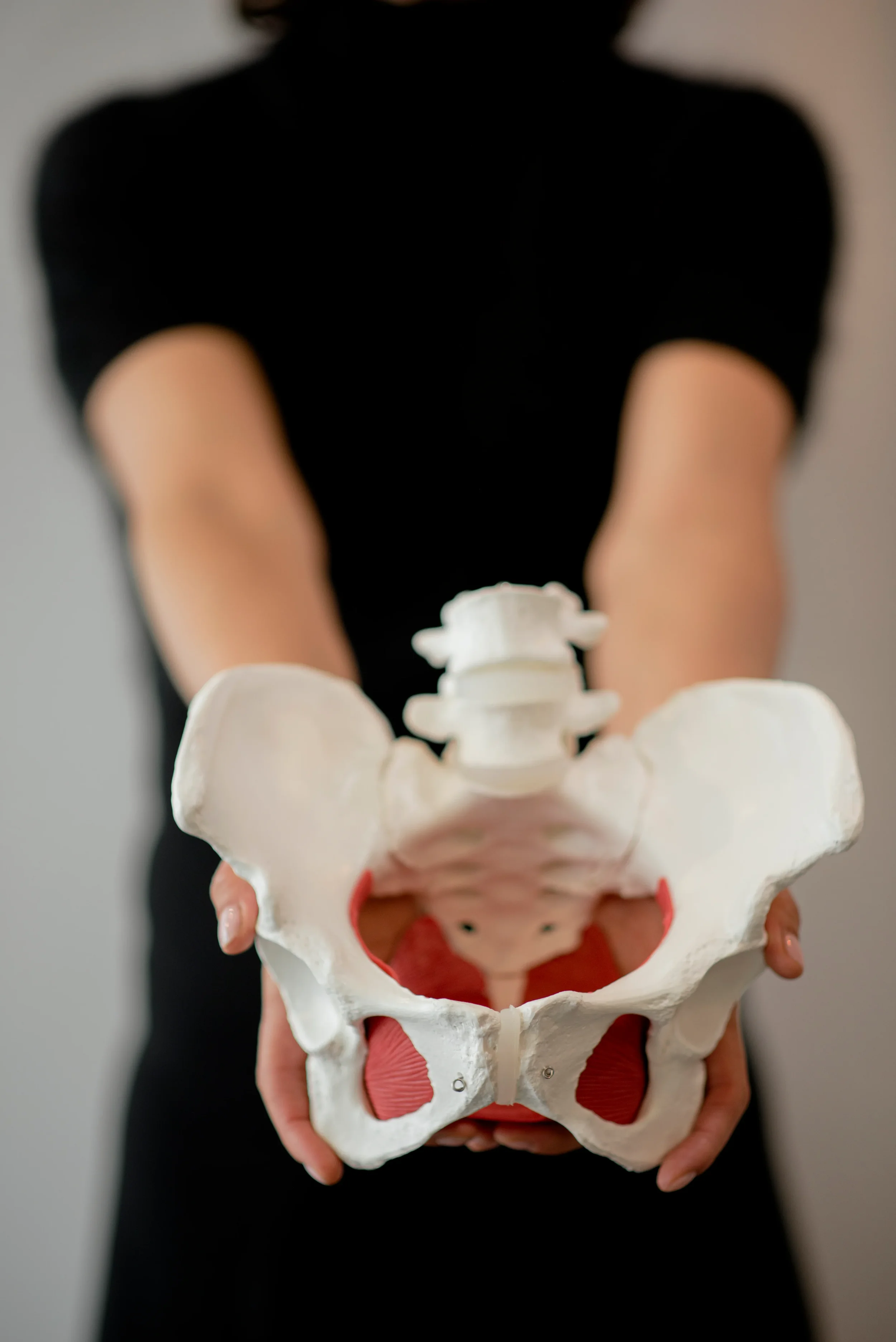
Regain control and confidence with Pelvic Health Physiotherapy
-
Your care is delivered by physiotherapists registered with the College of Health and Care Professionals of BC with post graduate training in pelvic health. This is a distinct area of practice and it is treated as one here.
-
Every appointment takes place in a private treatment room with the door closed. Internal assessment is discussed before it is ever performed, it is always your choice, and it is not required for you to start treatment. You can decline or stop at any point, no explanation needed.
-
Two people with the same symptom often need opposite programs, since a pelvic floor can be underactive, overactive, or poorly coordinated. Your physiotherapist works from your assessment findings rather than a general set of exercises, which is why the standard advice to do more kegels helps some people and makes others worse.
-
Most people arrive having never had this explained to them. Your physiotherapist walks you through the anatomy, why your symptoms are happening, and what to do between visits. Understanding it takes away a lot of the worry that comes with these symptoms.
What you can expect

Our Burnaby Pelvic Health Team


FAQs
-
It is physiotherapy for the muscles that support your bladder, bowel, and pelvic organs and contribute to core stability. Assessment and treatment may include education, breathing and coordination work, manual therapy, and a progressive exercise program built around your findings and goals.
-
No. Internal assessment gives the most complete information about how your pelvic floor muscles are working, but it is always your choice. Your physiotherapist explains what it involves and why it is being suggested, and asks for your consent before proceeding. There is a great deal that can be assessed and treated externally if you prefer, and you can change your mind at any time, including partway through.
-
It starts as a conversation. Your physiotherapist takes a detailed history covering your symptoms, pregnancies or surgeries, bladder and bowel habits, and your goals. From there they assess your posture, breathing, core, hips, and back, and discuss whether pelvic floor assessment makes sense. Nothing happens without being explained first.
-
It is common, particularly after childbirth and around menopause, but common and normal are not the same thing. Leaking is a sign that the system is not managing pressure well, and it is one of the more responsive things pelvic health physiotherapy addresses. It does not have to be something you plan your life around.
-
Not necessarily. Kegels help when the pelvic floor is weak, but if your muscles are already overactive or poorly coordinated, more squeezing can worsen your symptoms. That is the main reason self directed kegels fail so often. An assessment tells you which situation you are in before you start.
-
Yes. Pelvic health physiotherapy during pregnancy addresses pelvic girdle and back pain, bladder changes, and preparation for birth and recovery. Treatment is adapted for each trimester.
-
Yes, if you are comfortable with it. It does not affect the assessment or treatment.
-
Our pelvic health program is focused on women's health. Pelvic health concerns affect men as well. We are open in treating males but will not complete internal assessments for males.
-
Comfortable clothing you can move in. You will not need to change for most of the appointment, and if any part of the assessment requires it, your physiotherapist will explain first and give you privacy.