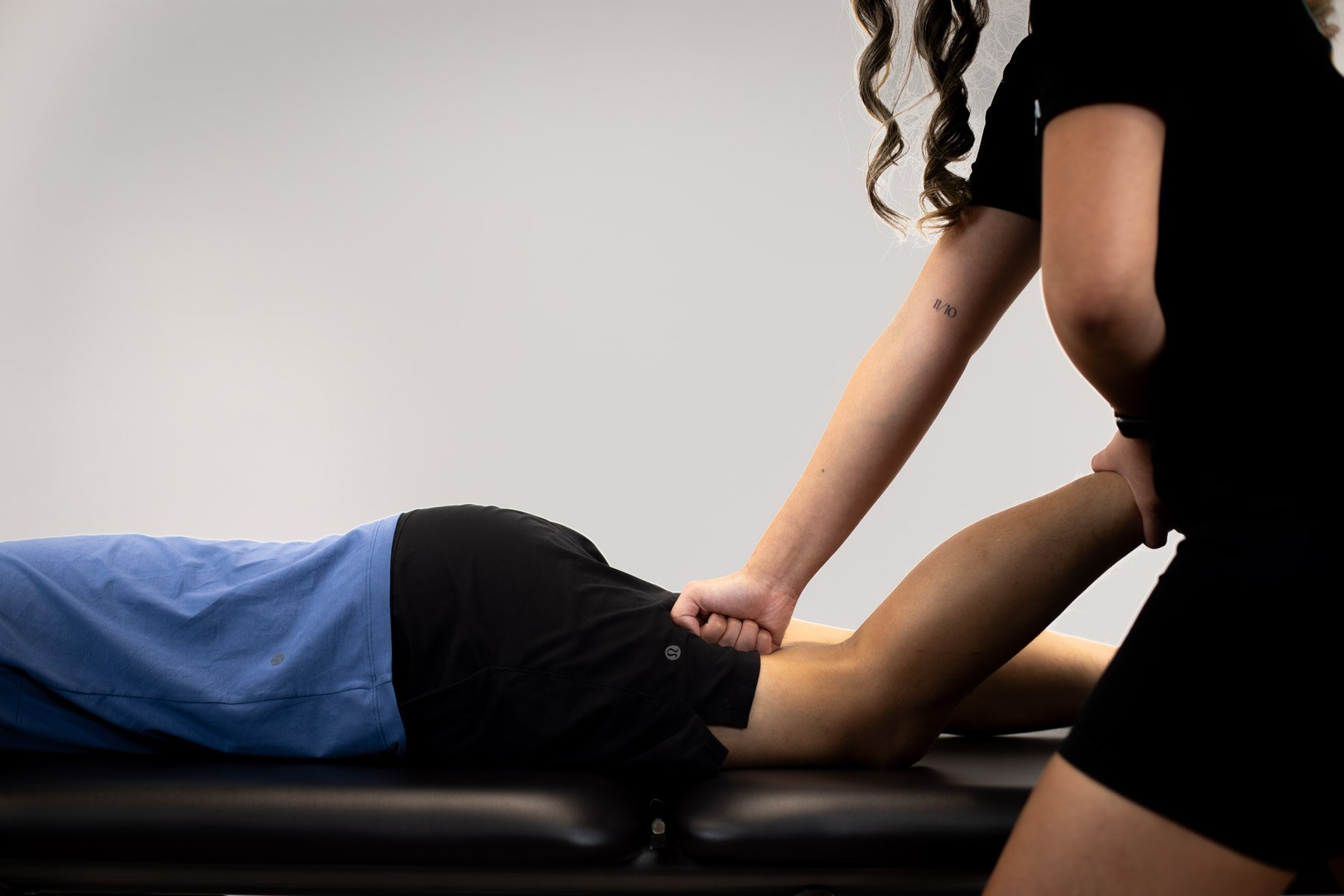
TMJ Massage in Burnaby
Ease jaw tension, unclench, and move more comfortably. Our Burnaby Registered Massage Therapists use focused, hands on techniques for the jaw, face, neck, and head. They address clenching, grinding, and the muscle tightness that often comes with TMJ dysfunction, and they work to make opening, chewing, and speaking more comfortable. Whether you’re dealing with jaw pain, clicking, tension headaches, or stress you carry in your face, TMJ massage therapy gives that tension the focused attention it needs.
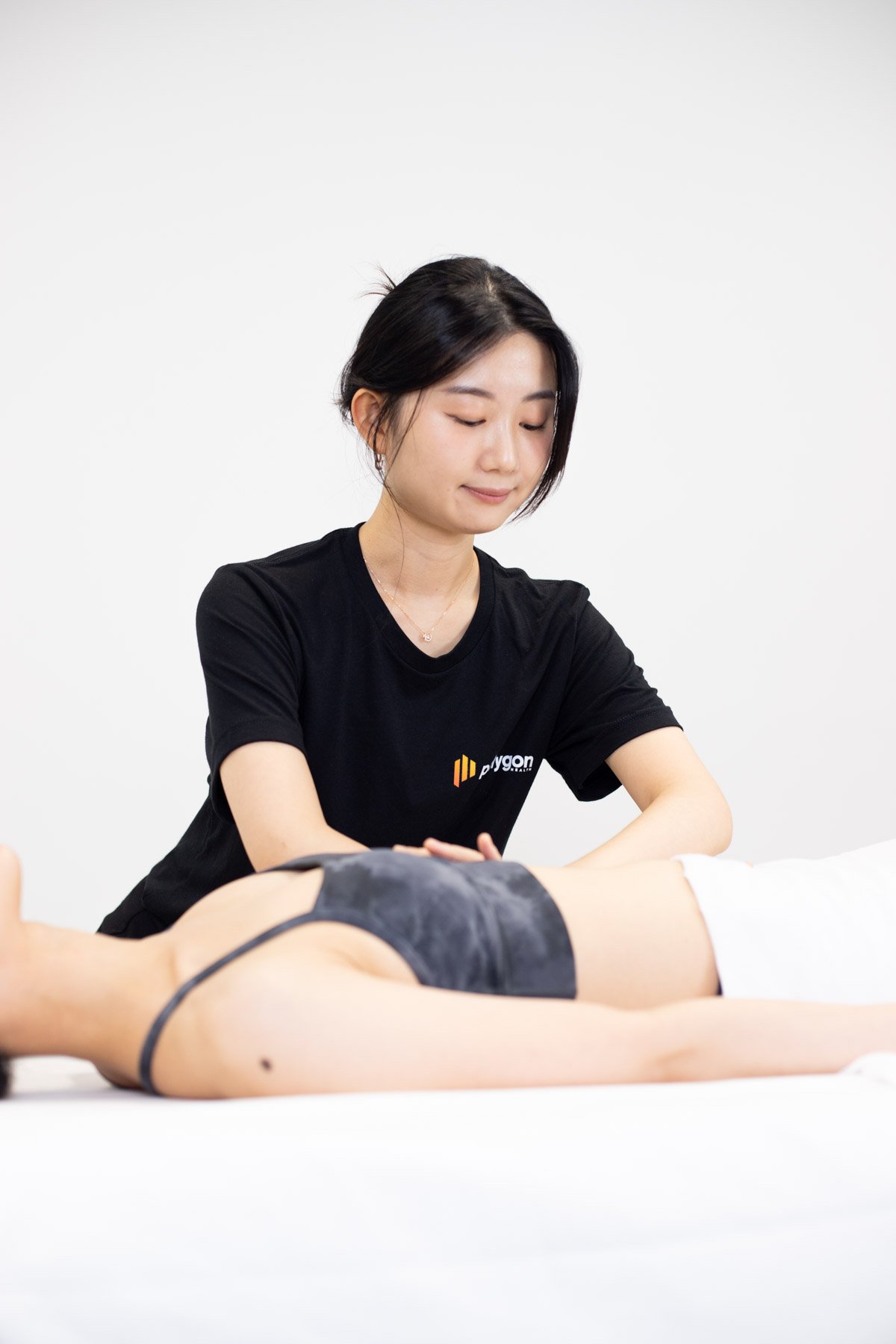
Find relief with the help TMJ Massage Therapy.
What you can expect
-
Your jaw muscles work harder than you think. Our registered massage therapists use myofascial release, trigger point therapy, and gentle sustained pressure on the masseter, temporalis, and surrounding muscles of the face. Whether you wake up with a sore jaw, feel tightness when you chew, or carry tension along your temples, focused external work addresses the muscles that commonly contribute to jaw discomfort.
-
Some jaw muscles can only be reached from inside the mouth. With your consent, your therapist uses a gloved finger to treat the pterygoid muscles and the inner portion of the masseter, which are often involved in clenching and jaw tightness. Intraoral work is always explained beforehand and is entirely optional. You can pause or stop at any time, and many sessions use external techniques only.
-
The jaw rarely works alone. Our therapists assess how your neck, upper back, and posture contribute to jaw tension, then treat the suboccipitals, upper trapezius, and sternocleidomastoid alongside the jaw itself. Whether you sit at a desk for long hours, carry stress in your shoulders, or notice headaches along with jaw tightness, treating the whole region gives you a more complete approach to care.
-
What you do between sessions matters. Your therapist shows you simple jaw stretches, self massage techniques, and a relaxed resting jaw position, and helps you notice daytime habits like clenching, gum chewing, or bracing under stress. Whether you’re managing nighttime grinding, recovering from dental work, or working to break a long standing habit, home care helps each treatment go further.
Our Burnaby TMJ RMT Team

FAQs
-
TMJ massage therapy is a focused form of massage for the temporomandibular joint, which connects your jaw to your skull, and the muscles that move it. It combines external work on the jaw, face, neck, and head with optional intraoral techniques to address tension, clenching, and restricted jaw movement.
-
Common signs include jaw pain or soreness, clicking or popping when you open your mouth, difficulty opening fully, clenching or grinding, tension headaches, and tightness around the temples or ears. If your symptoms are new or severe, or your jaw locks, your therapist may suggest seeing your dentist or doctor first.
-
Intraoral massage means treating the jaw muscles from inside the mouth using a gloved finger. It is never required. Your therapist will explain the technique and ask for your consent before starting, and you can decline, pause, or stop at any point. Many sessions use external techniques only.
-
The jaw muscles are often tender, so you may feel pressure or mild discomfort, especially during intraoral work. It should never be sharply painful. Your therapist checks in with you throughout and adjusts pressure to your comfort. Mild soreness for a day afterward is normal.
-
Massage will not stop grinding on its own, but it can ease the muscle tension that clenching and grinding create. If you grind at night, your therapist may suggest pairing treatment with a dental assessment for a night guard, along with home care to manage daytime habits.
-
TMJ massage is billed as Registered Massage Therapy and provided by a Registered Massage Therapist, so it is commonly covered through extended health plans. Coverage varies by provider, so please check with your insurer if you are unsure. We offer direct billing for many plans at our Burnaby clinic.
-
Wear something comfortable. Most treatment focuses on the jaw, face, neck, and shoulders, so a top that allows easy access to your neck and upper back is ideal. Please skip heavy makeup or face creams that day, and let us know about any recent dental work.